
Introduction
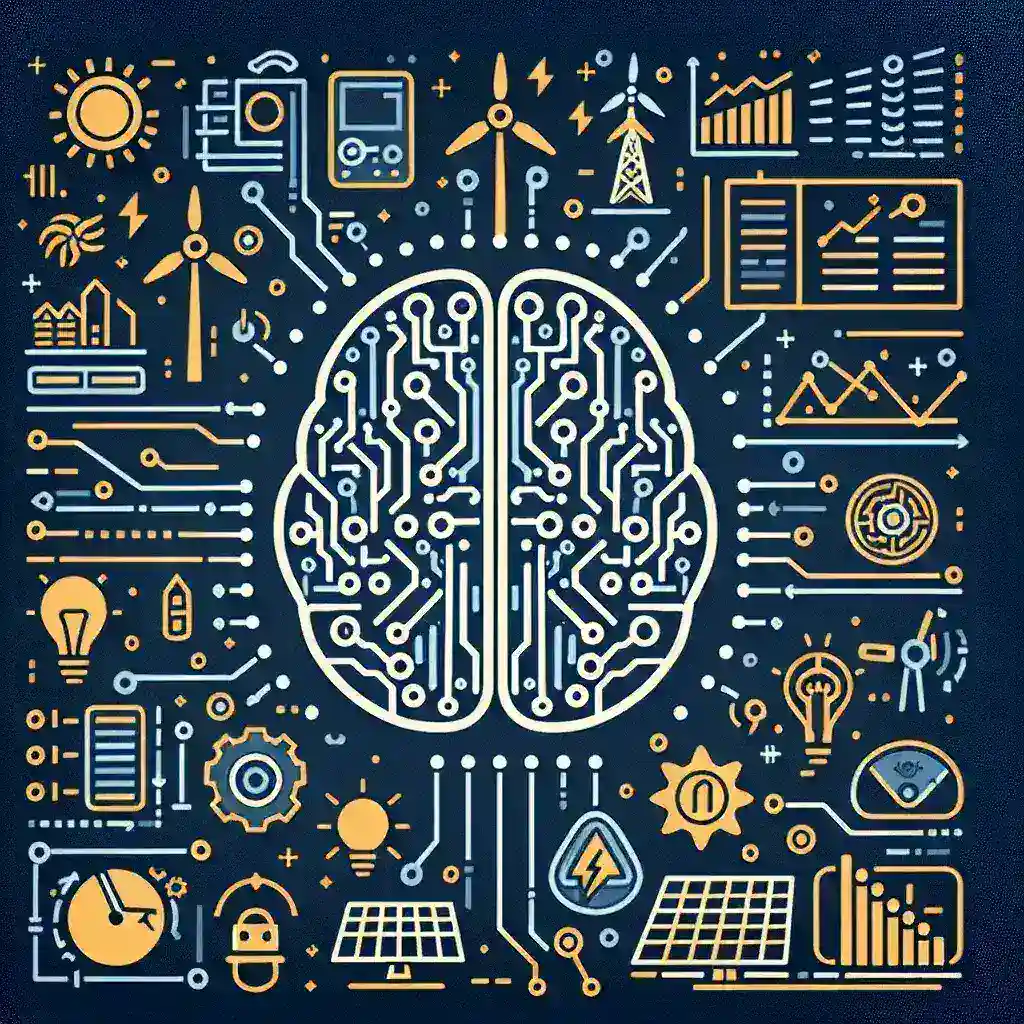
In the era of sustainability, monitoring energy consumption has become essential for businesses and households alike. With the rise of Artificial Intelligence (AI), innovative solutions have emerged to improve how we track and manage energy use. AI technologies provide real-time analysis, predictive analytics, and automation, which contribute to more efficient energy consumption and reduced waste.
The Importance of Energy Consumption Monitoring
Understanding energy consumption patterns is crucial for lowering energy costs and achieving environmental goals. By monitoring energy usage, organizations can identify inefficiencies, predict peak usage times, and implement measures to optimize consumption. With AI, this process has been revolutionized.
How AI Transforms Energy Monitoring
- Data Analysis: AI can process vast amounts of data from various sources, providing insights that were previously unattainable with manual analysis. Machine learning algorithms can identify patterns and correlations in energy usage, allowing for more informed decision-making.
- Predictive Maintenance: AI can predict when equipment may fail or require maintenance, reducing downtime and ensuring that energy-consuming devices operate efficiently. By addressing potential issues before they become critical, businesses can save on energy costs.
- Real-time Monitoring: AI-powered systems allow for real-time energy monitoring. This capability enables users to track their consumption instantaneously, making it easier to identify wasteful practices and adjust accordingly.
- Smart Grids: AI plays a pivotal role in the operation of smart grids. These advanced energy networks use AI to balance supply and demand, integrate renewable energy sources, and enhance grid reliability.
Applications of AI in Energy Consumption Monitoring
AI technologies are utilized across various industries to enhance energy management practices:
- Commercial Buildings: AI systems can analyze energy consumption patterns in commercial spaces, proposing adjustments that lead to significant savings. For instance, smart HVAC systems can learn usage patterns and optimize heating and cooling processes accordingly.
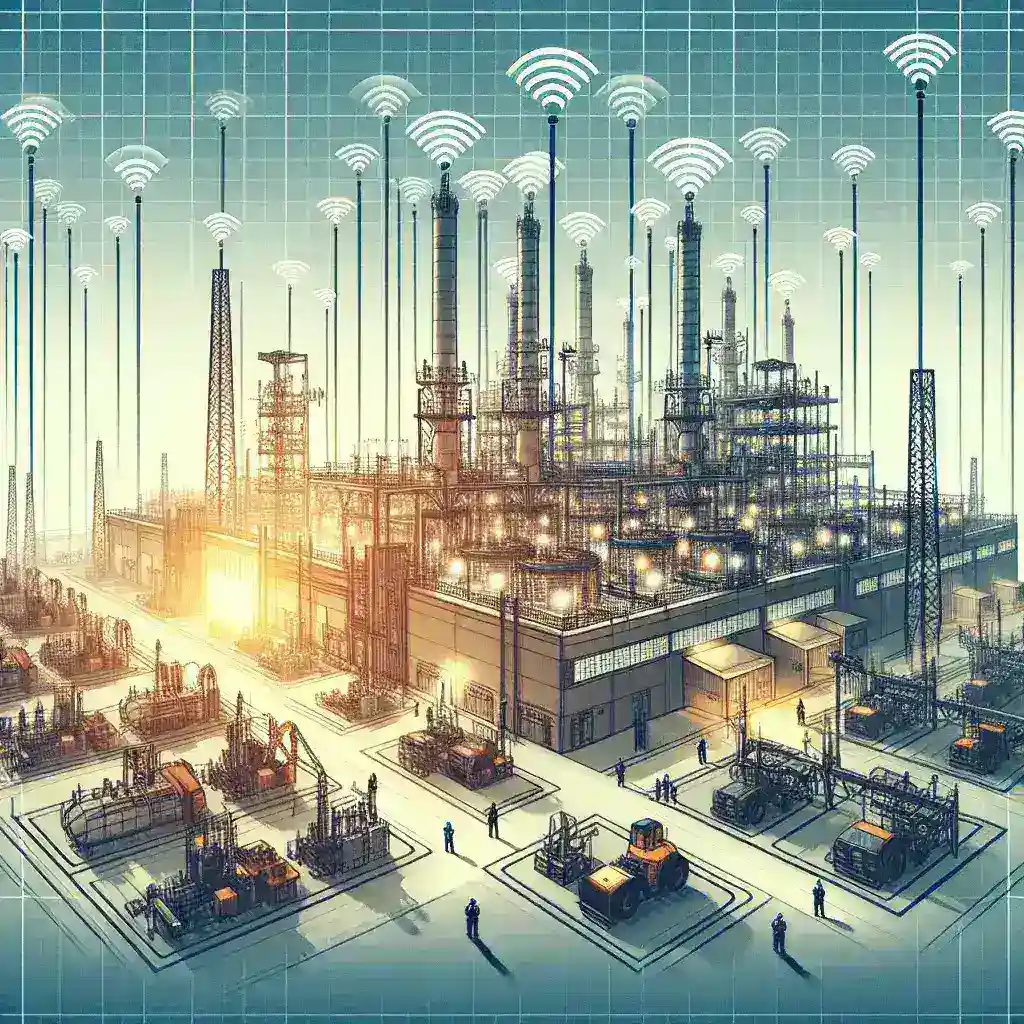
- Manufacturing Processes: In industries with heavy machinery, AI can monitor energy consumption in real-time, optimizing energy use based on production schedules and operational demands.
- Residential Use: Home automation systems equipped with AI can help homeowners manage energy consumption dynamically. AI can automate appliance usage based on energy cost fluctuations, leading to lower utility bills.
Conclusion
The integration of AI in energy consumption monitoring has brought about a paradigm shift in how we approach energy efficiency. With its capability to provide deep insights, automate processes, and enable predictive maintenance, AI empowers users to make informed decisions that contribute to cost savings and environmental sustainability. As technology continues to advance, we can anticipate even more innovative solutions in the realm of energy management.




Leave a Reply