
Introduction
In today’s fast-paced world, stress has become a common adversary that affects millions of people. With the rise of technology, particularly artificial intelligence (AI), new solutions have emerged to help individuals manage their stress effectively. One of the most promising developments in this realm is the use of AI-powered wearable devices that detect stress through cortisol monitoring. This article delves into how these devices work, their benefits, limitations, and the future of stress management.
Understanding Cortisol and Its Role
Cortisol, often referred to as the ‘stress hormone,’ is a steroid hormone produced by the adrenal glands in response to stress. Its primary function is to help the body respond to stressful situations, but elevated cortisol levels over prolonged periods can lead to various health issues, including anxiety, depression, and cardiovascular diseases. Monitoring cortisol levels can provide insights into an individual’s stress levels and overall well-being.
The Science Behind AI-Powered Wearable Devices
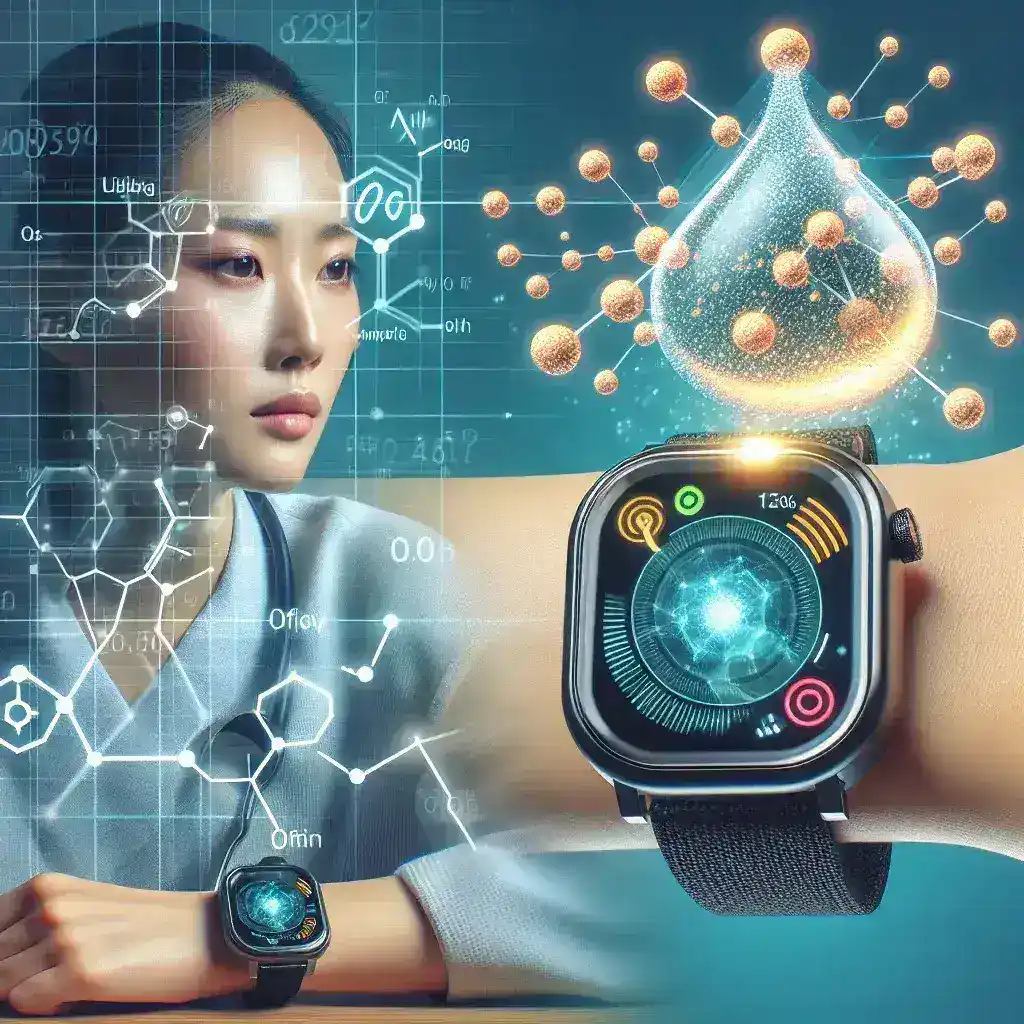
AI-powered wearable devices utilize advanced sensors to monitor various physiological signals, including cortisol levels. These devices typically employ biosensors that can measure cortisol through sweat, saliva, or even blood samples. The data collected is then analyzed using AI algorithms, which can identify patterns and trends in stress levels over time.
How Cortisol Monitoring Works
- Data Collection: Wearable devices collect cortisol data through sensors that measure physiological markers associated with stress.
- AI Analysis: The data is processed using AI algorithms to determine cortisol levels and identify stress patterns.
- User Feedback: Users receive real-time feedback about their stress levels, enabling them to take proactive measures to manage stress.
Benefits of AI-Powered Wearable Devices
The integration of AI in wearable technology has revolutionized personal health management, offering numerous advantages.
1. Real-Time Monitoring
AI-powered wearables provide continuous monitoring of cortisol levels, allowing users to stay aware of their stress levels in real-time. This immediate feedback can empower individuals to make informed decisions about their health.
2. Data-Driven Insights
By analyzing patterns over time, these devices can deliver personalized insights that help users understand their stress triggers and responses. Users can track their progress and identify strategies that work best for them.
3. Enhanced Stress Management
With access to real-time data and insights, users can implement stress reduction techniques, such as mindfulness meditation, exercise, or breathing exercises, effectively.
4. Preventive Health
By monitoring cortisol levels, users can potentially identify health issues before they escalate, enabling proactive health measures and interventions.
Limitations and Challenges
Despite the many benefits, AI-powered wearable devices are not without their challenges.
1. Accuracy of Measurements
While technology has advanced, the accuracy of cortisol measurements can vary depending on the device and the method of measurement. Factors such as hydration levels, skin conditions, and environmental influences can affect results.
2. Privacy Concerns
The collection of sensitive health data raises privacy issues. Users must be aware of how their data is used, stored, and shared.
3. Dependence on Technology
Relying on wearable devices for stress management may lead to an over-dependence on technology, potentially neglecting traditional coping mechanisms.
Future Predictions for AI Wearables in Stress Management
The future of AI-powered wearable devices in stress management looks promising. As technology continues to evolve, we can expect more sophisticated algorithms, improved measurement accuracy, and seamless integration with other health apps and services.
1. Personalized Health Solutions
Future wearables may offer even more tailored solutions, including customized stress management plans based on individual data.
2. Integration with Mental Health Services
AI wearables could complement mental health services by providing therapists with real-time insights into a client’s stress levels, leading to more effective treatment.
3. Community Support Networks
Wearable technology could facilitate the creation of support networks, connecting individuals facing similar challenges and promoting collective well-being.
Conclusion
AI-powered wearable devices for cortisol monitoring represent a significant leap towards understanding and managing stress. As these technologies continue to advance, they hold the potential to transform how individuals approach their mental health and wellness. While challenges remain, the benefits of real-time monitoring, personalized insights, and preventive health measures signify a bright future in stress management.
Call to Action
If you’re looking to take control of your stress levels, consider exploring AI-powered wearable devices. Stay informed about your health and make proactive choices to enhance your well-being.





Leave a Reply