
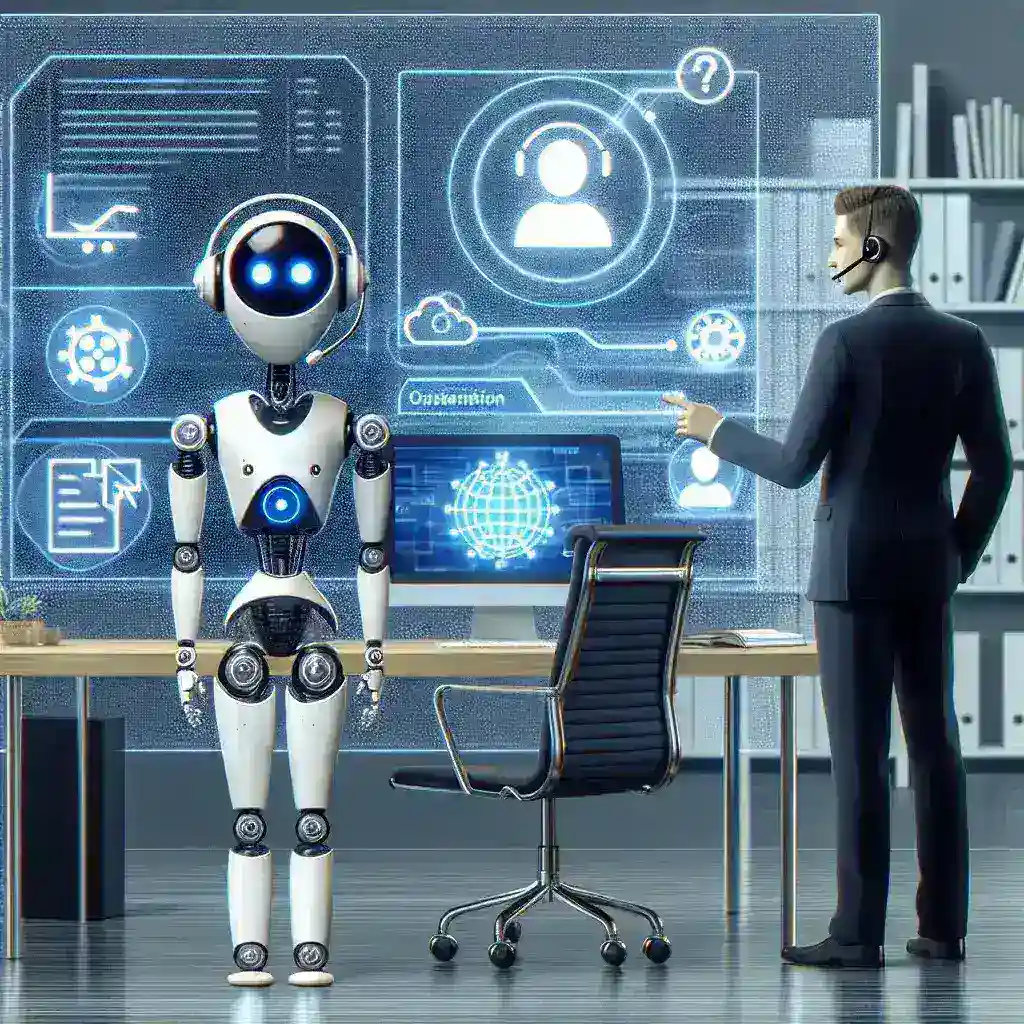
The Evolution of Customer Support: From Human Agents to AI Assistants
The landscape of customer support is undergoing a dramatic transformation as major corporations increasingly embrace AI-powered assistants to handle customer inquiries. This shift represents one of the most significant changes in customer service delivery since the advent of call centers, marking a new era in how businesses interact with their customers.
Understanding AI-Powered Customer Support
AI-powered customer support assistants are sophisticated software systems that utilize artificial intelligence, machine learning, and natural language processing to interact with customers in real-time. These virtual agents can understand context, learn from interactions, and provide personalized responses to customer queries across multiple channels.
Key Features of Modern AI Support Systems
- Natural Language Processing capabilities
- 24/7 availability without human intervention
- Multi-language support
- Seamless integration across multiple platforms
- Real-time learning and adaptation
- Predictive analytics for customer needs
Why Major Companies Are Making the Switch
The adoption of AI-powered customer support solutions by major firms isn’t merely a technological trend—it’s a strategic business decision driven by multiple factors that impact both the bottom line and customer satisfaction levels.
Cost Efficiency and Scalability
Traditional customer support operations require significant investments in human resources, training, and infrastructure. AI assistants offer a more cost-effective alternative, capable of handling thousands of interactions simultaneously without the need for additional staffing or physical space.
Consistency in Service Delivery
Unlike human agents who may have varying levels of knowledge and experience, AI assistants provide consistent responses based on programmed protocols and accumulated data. This uniformity helps maintain service quality across all customer interactions.
Real-World Implementation Success Stories
Several major corporations have successfully integrated AI-powered assistants into their customer support operations, demonstrating the practical benefits of this technology.
Banking Sector Transformation
Large financial institutions have implemented AI chatbots that handle everything from basic account inquiries to complex transaction assistance. These systems have reduced wait times by up to 90% while maintaining high customer satisfaction rates.
Retail Revolution
Major retail chains have deployed AI assistants that help customers track orders, process returns, and provide product recommendations. These systems have shown remarkable success in handling peak season inquiry volumes without service degradation.
Impact on Traditional Customer Support Roles
The integration of AI assistants has led to a significant transformation in traditional customer support roles, creating both challenges and opportunities for human workers.
Evolution of Human Support Roles
- Shift from routine query handling to complex problem-solving
- Focus on emotional intelligence and high-touch customer interactions
- Development of AI training and oversight positions
- Emphasis on strategic customer experience management
Challenges and Considerations
While AI-powered assistants offer numerous benefits, their implementation comes with certain challenges that organizations must address.
Technical Challenges
- Initial setup and integration complexity
- Ongoing maintenance and updates
- Data security and privacy concerns
- System reliability and backup procedures
Customer Experience Considerations
Not all customers readily embrace AI interactions, and companies must carefully balance automation with human touch points to maintain service quality and customer satisfaction.
Best Practices for AI Assistant Implementation
Successful integration of AI-powered customer support requires careful planning and execution. Companies should follow established best practices to ensure optimal results.
Strategic Planning
- Clear identification of automation opportunities
- Comprehensive staff training programs
- Phased implementation approach
- Regular performance monitoring and optimization
Future Trends and Predictions
The future of AI-powered customer support looks promising, with several emerging trends shaping the industry’s direction.
Emerging Technologies
- Advanced emotion recognition capabilities
- Integration with augmented reality support
- Predictive service intervention
- Enhanced personalization through deep learning
Measuring Success and ROI
Companies implementing AI-powered assistants must establish clear metrics to evaluate success and return on investment.
Key Performance Indicators
- Resolution time and first-contact resolution rates
- Customer satisfaction scores
- Cost per interaction
- System accuracy and learning curve metrics
The Human Element in an AI-Driven Support Environment
While AI assistants are becoming increasingly sophisticated, the human element remains crucial in customer support operations. The most successful implementations find the right balance between automated and human interactions.
Creating Synergy Between AI and Human Agents
Organizations must develop strategies to create effective collaboration between AI systems and human support staff, ensuring each handles the types of interactions they’re best suited for.
Preparing for the Future of Customer Support
As AI technology continues to evolve, organizations must stay adaptable and forward-thinking in their approach to customer support.
Recommendations for Organizations
- Invest in continuous AI system improvements
- Maintain focus on customer experience
- Develop comprehensive training programs
- Stay informed about emerging technologies
Conclusion
The replacement of traditional customer support with AI-powered assistants in major firms represents a significant shift in how businesses interact with their customers. While challenges exist, the benefits of improved efficiency, consistency, and scalability make this transition inevitable for many organizations. Success lies in thoughtful implementation, continuous optimization, and maintaining the right balance between automated and human support.
As technology continues to advance, we can expect AI-powered customer support to become increasingly sophisticated and widespread. Organizations that embrace this change while maintaining focus on customer experience will be best positioned for success in the evolving landscape of customer service.





Leave a Reply